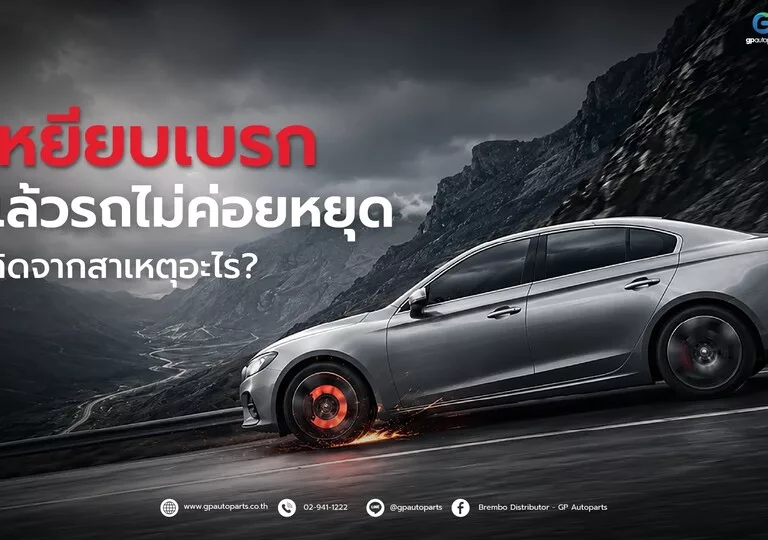
Why Does the Car Take Longer to Stop When Braking?
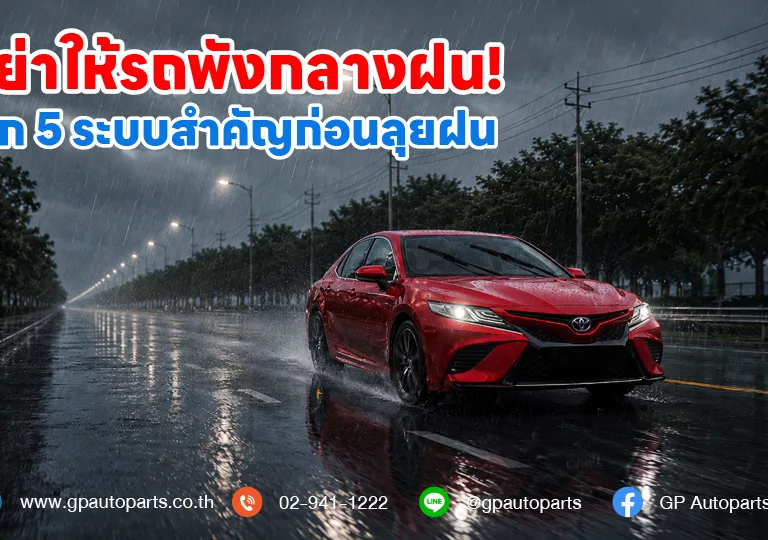
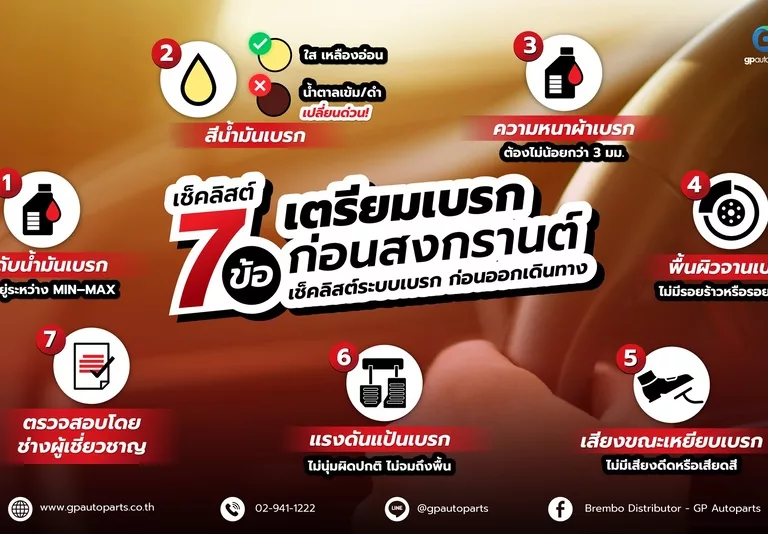
Why Does the Car Take Longer to Stop When Braking? Have you ever pressed the brake pedal and felt that the car takes longer to stop than usual, or that the braking distance has increased? These are not normal signs and should not be ignored. The braking system is one of the most important safety systems in a vehicle. Even a slight reduction in braking performance can increase the risk of an accident. Let’s Look at the Common Causes of Reduced Braking Performance 1. Worn Brake Pads Brake pads create friction against the brake discs to slow and stop the vehicle. Over time, they naturally wear down with use. As the brake pads become thinner, you may notice: Longer braking distances Reduced stopping performance Unusual noises while braking If the brake pads are allowed to wear out completely, they may damage the brake discs and lead to higher repair costs. 2. Worn or Warped Brake Discs Brake discs that are unevenly worn, warped, or deeply scored may reduce the contact area between the brake pads and discs, resulting in lower braking efficiency. Common symptoms include: Steering wheel vibration while braking Brake pedal vibration Reduced stopping performance 3. Deteriorated Brake Fluid Brake fluid transfers hydraulic pressure from the brake pedal to the braking system. Over time, brake fluid can absorb moisture from the air, which lowers its boiling point. During continuous heavy braking, such as: Driving downhill Long-distance driving Carrying heavy loads the braking system may experience brake fade, causing reduced braking performance and, in some cases, a softer brake pedal feel. Brake fluid should therefore be replaced according to the vehicle manufacturer’s recommended service interval. 4. Worn or Poor-Condition Tires Even if the braking system is working properly, worn tires, hardened rubber, insufficient tread depth, or incorrect tire pressure can reduce grip on the road. This may result in: Longer braking distances Increased risk of skidding Reduced vehicle control, especially on wet roads 5. Wet Roads or Rainy Conditions During rainy weather, water on the road reduces friction between the tires and the road surface, which can increase braking distance. For safer driving: Reduce your speed Increase the distance from the vehicle ahead Avoid sudden braking Make sure the tire tread is in good condition If you feel that your car takes longer to stop when braking, do not ignore it. The cause may be worn brake pads, damaged brake discs, deteriorated brake fluid, worn tires, or unfavorable road conditions. Regular inspection and maintenance of the braking system can help maintain reliable stopping performance and improve safety on every journey.