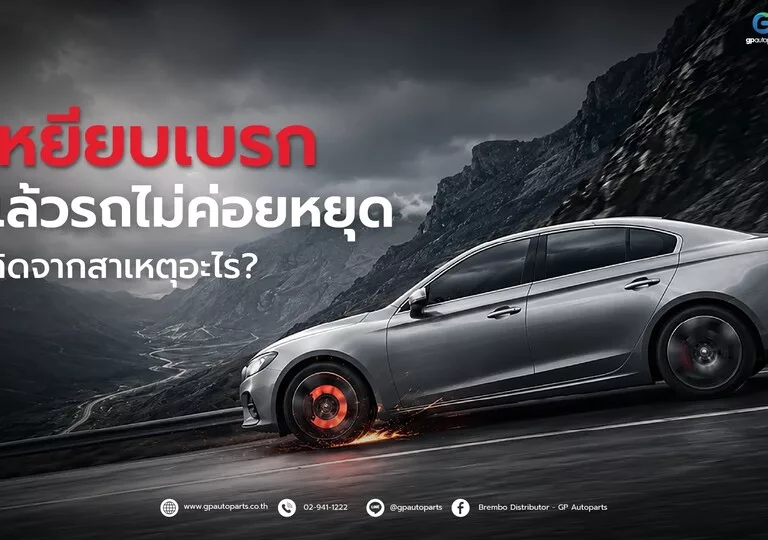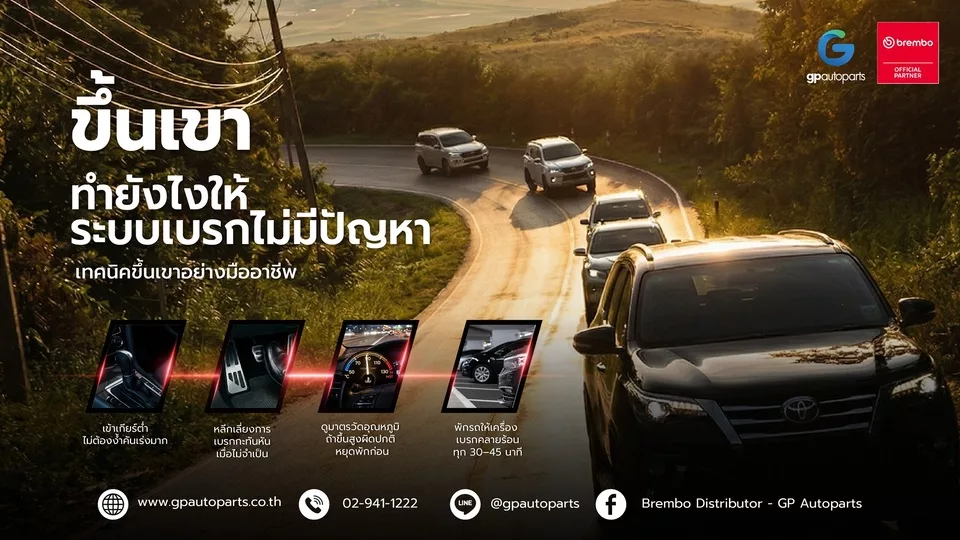
When driving on mountain roads or long, steep grades, many drivers focus mainly on engine power, but the braking system is just as important—especially when descending. Improper braking can lead to brake fade, a burning smell from overheated brake pads, or even a significant loss of braking performance at a critical moment, increasing the risk of an accident.
Here are some important techniques and precautions to help you drive safely on mountain roads while keeping your brakes performing effectively.
Professional Mountain Driving Techniques
- Use a Lower Gear
Select an appropriate lower gear to improve vehicle control and allow the engine to help manage speed, especially on downhill sections. This reduces excessive brake use and helps prevent brake overheating. - Avoid Sudden Braking
Reduce speed gradually and avoid hard braking at the last moment whenever possible. Repeated heavy braking can generate excessive heat and reduce braking performance. - Watch for Signs of Brake Overheating
Most passenger vehicles do not have a brake temperature gauge. Pay attention to warning signs such as a burning smell, reduced braking response, or an unusually soft brake pedal. If these occur, stop at a safe location and allow the brakes to cool. - Allow the Vehicle and Brakes to Cool
During long or demanding mountain drives, take appropriate breaks when needed. Allowing the engine and braking system to cool can help reduce the risk of heat-related brake problems.
Using Engine Braking
Engine braking is a useful and effective technique when driving downhill. Selecting an appropriate lower gear allows the engine to help control vehicle speed, reducing continuous use of the brake pedal and lowering the risk of brake overheating.
Use engine braking together with controlled brake application whenever driving on long or steep downhill sections.
Common Mistakes
- Using Too High a Gear on Steep Roads
Using a gear that is too high, particularly when descending, reduces the engine’s ability to help control vehicle speed. This can lead to excessive brake use, overheating, and faster brake wear. - Continuing to Drive with Overheated Brakes
Continuing to use overheated brakes without allowing them to cool may significantly reduce braking performance and create a dangerous driving situation.
Additional Recommendations
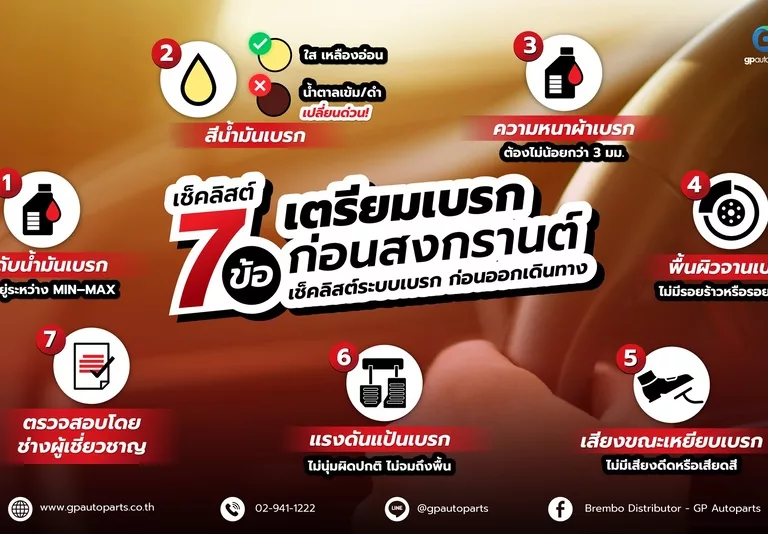
- Always inspect the braking system and overall vehicle condition before driving on mountain roads.
- Adjust your speed to road, traffic, and weather conditions, and avoid unnecessary acceleration.
- If you notice signs of brake overheating or reduced braking performance, stop in a safe location and allow the system to cool before continuing your journey.