2026 Rainy Season Car Checklist: 5 Essential Systems to Check Before You Travel
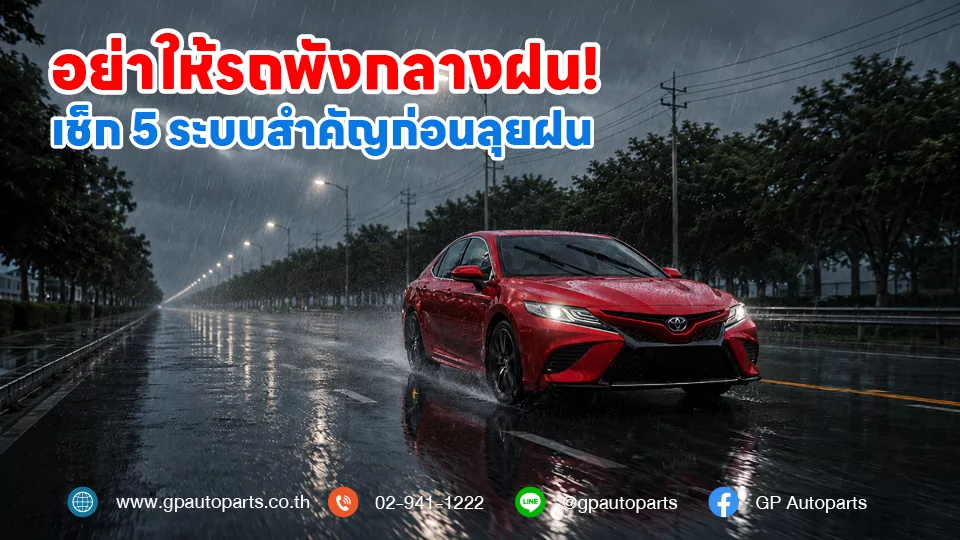
The rainy season is one of the most challenging times for driving. Slippery roads, reduced visibility, and flooded areas can all increase the risk of accidents. Checking your vehicle before setting off is therefore not just about convenience — it is about the safety of you and the people you care about.
This article brings together a 5-system checklist you should inspect before driving in the rainy season, along with practical tips to help make every journey smoother and safer.
1. Visibility System: Essential for Rainy-Season Driving
When heavy rain reduces visibility, being able to clearly see the road becomes one of the most important factors for safe driving.
- Windshield Wipers — Test the wipers to make sure they clear the windshield smoothly without streaks or scraping noises. If the rubber becomes hard, cracked, or leaves water marks behind, replace the blades immediately. Wiper blades generally last around 6–12 months.
- Windshield Washer Fluid — Keep the reservoir filled and choose a washer fluid that can help remove grease, dirt, and insect residue to keep the windshield clear throughout the journey.
- Defogging System — Test the front and rear defoggers to make sure they work properly. High humidity during the rainy season can cause windows to fog up easily.
- Windshield and Mirrors — Keep all glass surfaces and side mirrors clean, and check for cracks or damage that may obstruct visibility.
2. Tires and Brakes: Key to Safety on Wet Roads
On wet and slippery roads, tires and brakes are two of the most important systems determining whether your vehicle can stop safely and remain under control.
- Tire Tread — Check the tread depth. If it is below 3 mm, the tire’s ability to disperse water may be significantly reduced, increasing the risk of aquaplaning and loss of vehicle control.
- Tire Pressure — Inflate the tires according to the manufacturer’s recommended pressure, usually shown on the driver-side door pillar. Avoid driving with underinflated tires, as this can affect handling and road grip.
- Spare Tire and Tools — Check the condition of the spare tire and make sure the jack and wheel wrench are ready for use.
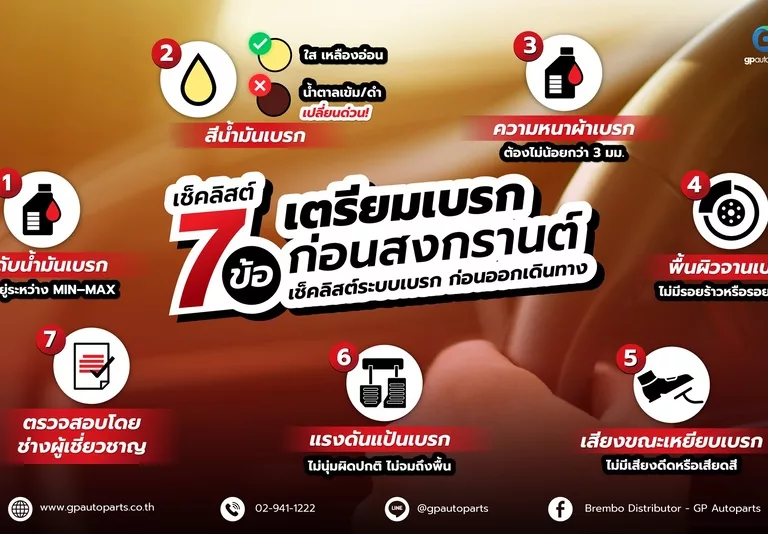
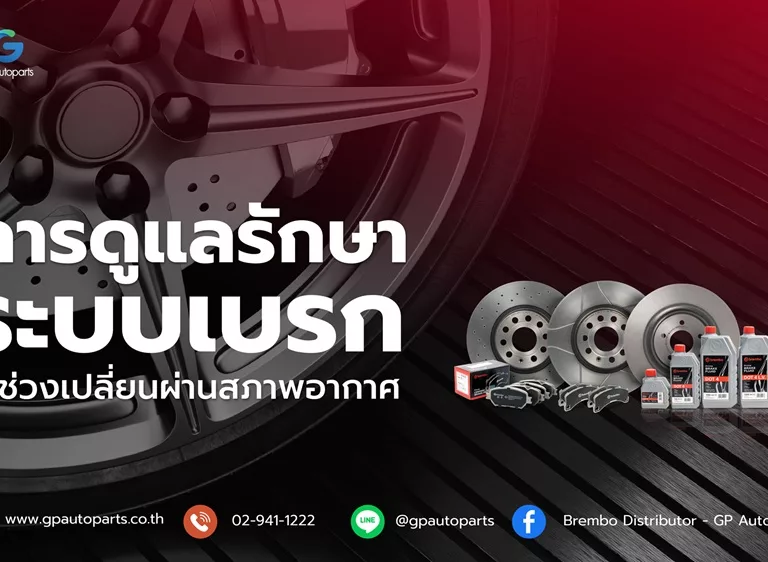
- Braking System — Test the brakes to make sure they respond firmly, without unusual noises or vibration. If anything feels abnormal, have the brake pads and discs inspected before travelling. Using quality brake pads and brake discs that meet proper standards can provide greater confidence when braking on wet roads.
3. Lighting and Signal Systems
During heavy rain or nighttime driving, vehicle lights do more than help you see — they also help other road users see you.
- Check both low-beam and high-beam headlights
- Check all turn signals, brake lights, reverse lights, and fog lights
- Test the hazard warning lights to make sure they work properly for use during an emergency stop
4. Fluids and Engine Systems
A properly maintained engine is the foundation of a reliable journey. Make sure all essential fluids are at the correct levels before setting off.
- Engine Oil — Check the oil level and service interval. High-quality engine oil helps protect the engine under a wide range of driving conditions.
- Coolant / Radiator System — Check that the coolant level is within the recommended range to help prevent overheating, especially when stuck in slow-moving traffic during heavy rain.
- Battery — Check the terminals for corrosion and make sure the engine starts normally. During the rainy season, the battery may be under greater demand as the lights, windshield wipers, and air-conditioning system are often used at the same time.
- Cabin Air Filter — A clogged cabin filter may reduce airflow, contribute to window fogging, and affect air-conditioning performance. Replace it according to the recommended service interval to help maintain good air quality inside the cabin.
5. Emergency Equipment to Keep in Your Vehicle
In addition to checking the vehicle itself, having basic emergency equipment on hand can help you respond more effectively to unexpected situations.
- Umbrella or raincoat
- Flashlight
- Battery jumper cables
- Glass-cleaning cloth
- Insurance and roadside assistance contact numbers
- In-car mobile phone charger
Once your vehicle is ready, do not forget to prepare for the journey itself.
- Check the weather forecast and identify routes that may be at risk of flooding or landslides.
- Allow extra travel time and drive at a speed appropriate for the road and weather conditions.
- Keep enough fuel in the tank, as heavy rainy-season traffic may increase fuel consumption.
Summary
Spending just a few minutes checking your vehicle before travelling in the rainy season can significantly reduce risk and improve driving confidence.
From visibility, tires and brakes, and lighting systems to engine fluids and emergency equipment, every part works together to help you reach your destination safely.
If you need to replace or upgrade vehicle parts for the rainy season — including windshield wipers, brake pads, brake discs, shock absorbers, cabin air filters, or engine oil — you can explore quality products from leading brands at GP Autoparts, helping you stay prepared for safer journeys in all weather conditions.